Comforters provide a warm, insulating layer designed to regulate body temperature and preserve sleep quality. In this category, wool-filled options offer natural breathability, moisture-wicking properties, and durable loft. Understanding different fill weights and cover fabrics helps identify suitable comforters for varied climates, sleep styles, and bedding ecosystems, including those used with nursery environments.
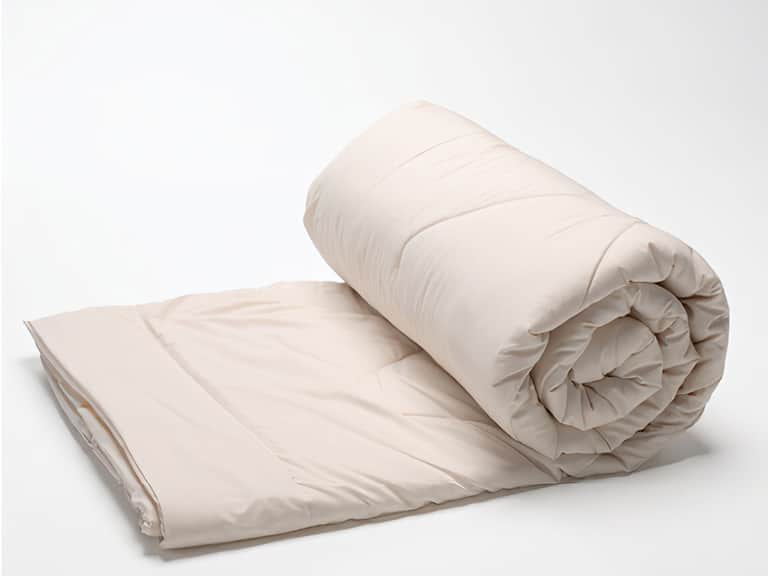
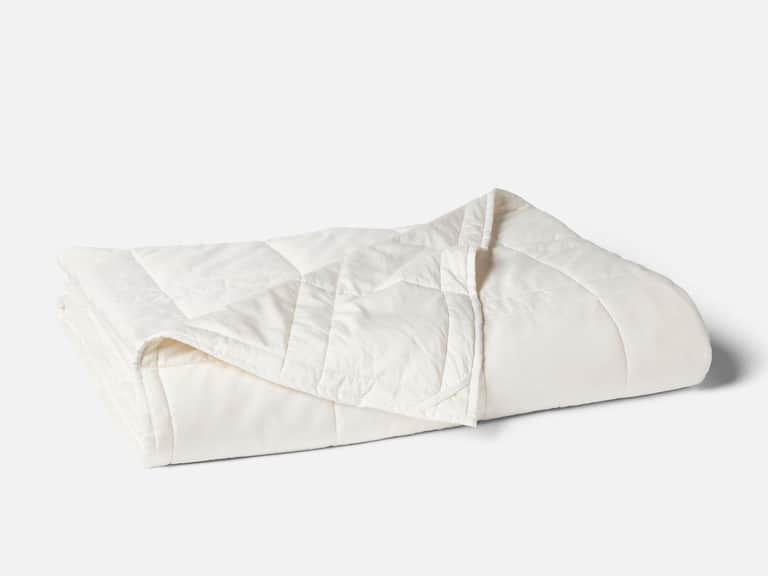
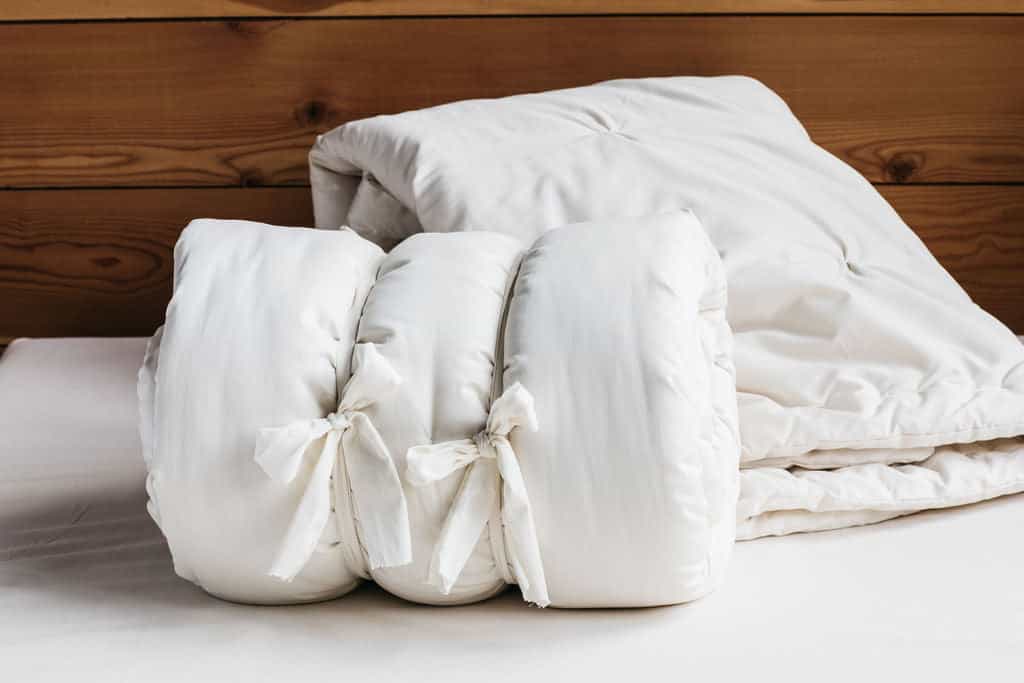
Wool-based comforters, such as the Suite Sleep Washable Wool Comforter, combine natural insulation with easy-care features. The washable wool helps maintain cleanliness and longevity while offering temperature regulation that adapts to seasonal changes. This makes wool comforters a practical choice for households that value maintenance efficiency alongside comfort.
Key features of wool comforters include moisture management, temperature neutrality, and resilience against compacting over time. Natural fibers trap air for consistent warmth without overheating, while antimicrobial and hypoallergenic properties can contribute to a healthier sleep surface. These characteristics are especially relevant for sensitive sleepers and nursery settings.
Related considerations involve pairing comforters with appropriate bedding layers, such as sheets and duvet covers, to balance warmth with breathability. Memory foam pillows and down pillows represent distinct pillow categories that complement a comforter’s thermal profile, helping to create a cohesive, restful sleep environment in bedrooms or nurseries.
For households seeking durable, low-maintenance bedding solutions, wool comforters offer functional benefits like loft retention and resilient warmth. When evaluating options, consider fill power, fabric durability, washing instructions, and suitability for different room temperatures. Such factors influence long-term comfort and bedding performance across all seasons.
 Bedding